The injuries people often miss after a serious truck collision
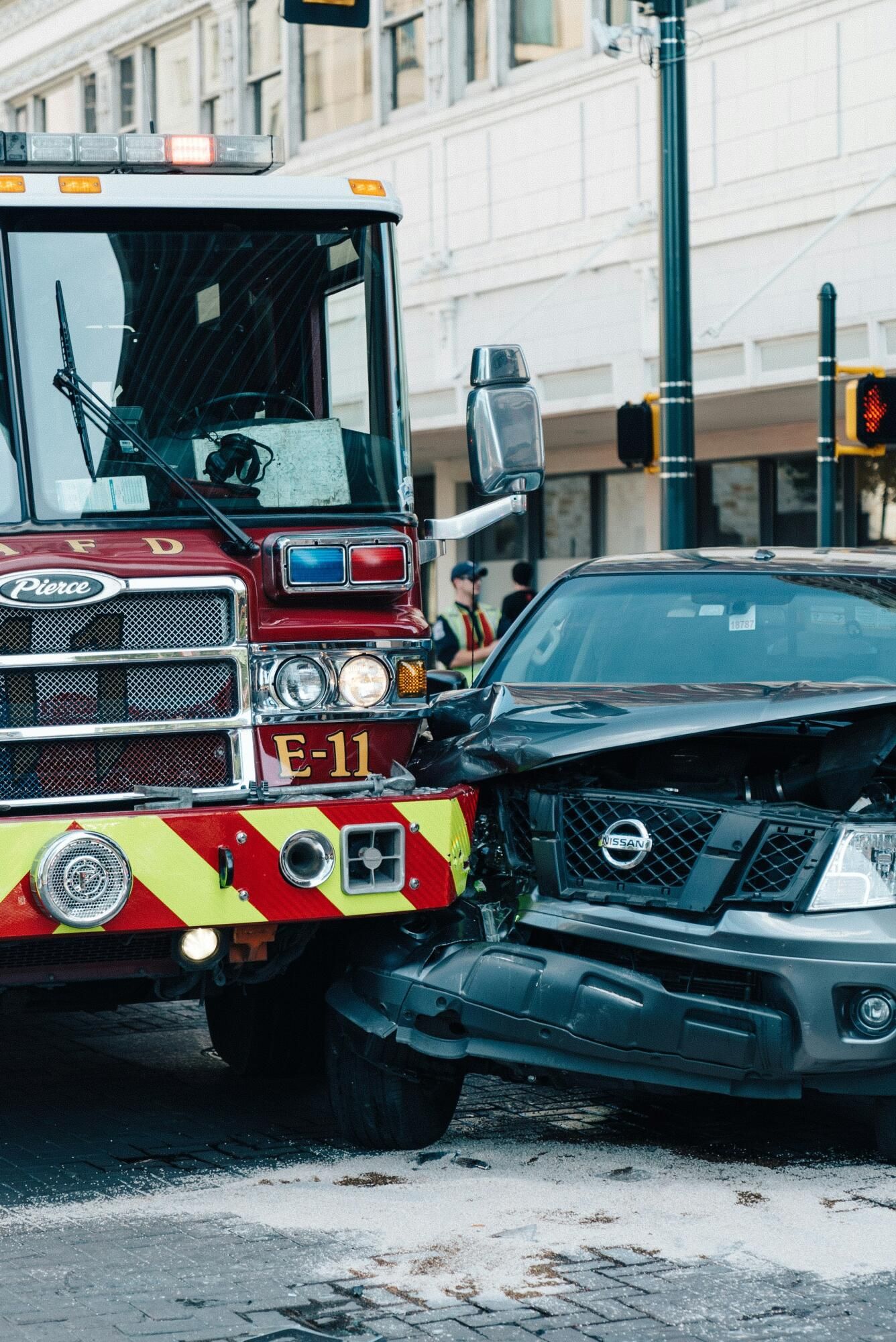
The injuries that people often miss after a serious truck collision are whiplash and other soft-tissue injuries, as well as concussions. Internal injuries may also have few early warning signs, and nerve and spinal injuries can be subtle at first.
The Federal Motor Carrier Safety Administration (FMCSA) says that in 2022, there were 503,000 police-reported crashes that involved large trucks, and 23% (114,000) had injury crashes. The sheer size of these vehicles means that even a small accident can result in injuries, and when you add in speed, a truck collision can have serious consequences.
Can Whiplash and Other Soft-Tissue Injuries Take Time to Appear?
Tampa trucking injury lawyers often see clients who have whiplash and soft-tissue injuries, as these serious collisions can place enormous forces on the neck, shoulders, and back, even when there are no obvious external injuries. Whiplash can take hours or even days after a crash to develop symptoms, and other soft-tissue injuries may be difficult to identify immediately.
Prompt medical attention can help document these injuries and determine whether additional treatment is necessary. Keeping records of your symptoms and medical visits can also help establish how the injury developed afterward.
Can Concussions Occur Without an Obvious Head Injury?
Just because you don’t have a visible wound or loss of consciousness right after a truck accident doesn’t necessarily mean you don’t have a concussion. During a crash, the brain can move rapidly within the skull, and symptoms may include:
- Headaches
- Dizziness
- Nausea
- Blurred vision
- Sensitivity to light or noise
- Confusion
- Memory problems
- Fatigue
- Difficulty concentrating
Some people initially assume that these symptoms are the result of stress or shock from the crash.
Internal Injuries May Have Few Early Warning Signs
Some of the most dangerous injuries after a commercial truck collision can happen inside the body without immediately producing dramatic symptoms. Blunt-force trauma can damage organs, blood vessels, or other internal structures.
Depending on the injury, a person might initially feel relatively stable. They may then develop increasing:
- Abdominal pain
- Swelling
- Weakness
- Dizziness
- Shortness of breath
Internal bleeding can be challenging to recognize without a medical evaluation. In addition, the risk can be higher after a high-impact collision because occupants may experience strong forces from the crash, airbags, seat belts, or impact with the vehicle interior.
Nerve and Spinal Injuries Can Be Subtle at First
Nerve and spinal damage are truck accident injuries that aren’t always immediately obvious afterward. Even when someone can walk away from a collision, that doesn’t necessarily mean the spine and nervous system are unharmed.
If you have symptoms that appear or worsen after the crash, you need immediate medical attention, especially if you experience weakness, loss of sensation, or changes in coordination. Early evaluation can help identify potentially serious problems and establish an appropriate treatment plan.
Get Prompt Attention After a Truck Collision
As you can see, there are several injuries that can be hard to detect after a truck collision. This makes it vital for you to get a medical evaluation promptly after an accident.
Read our other pages to discover more helpful posts.


