Insurance disputes that commonly follow head-on collisions
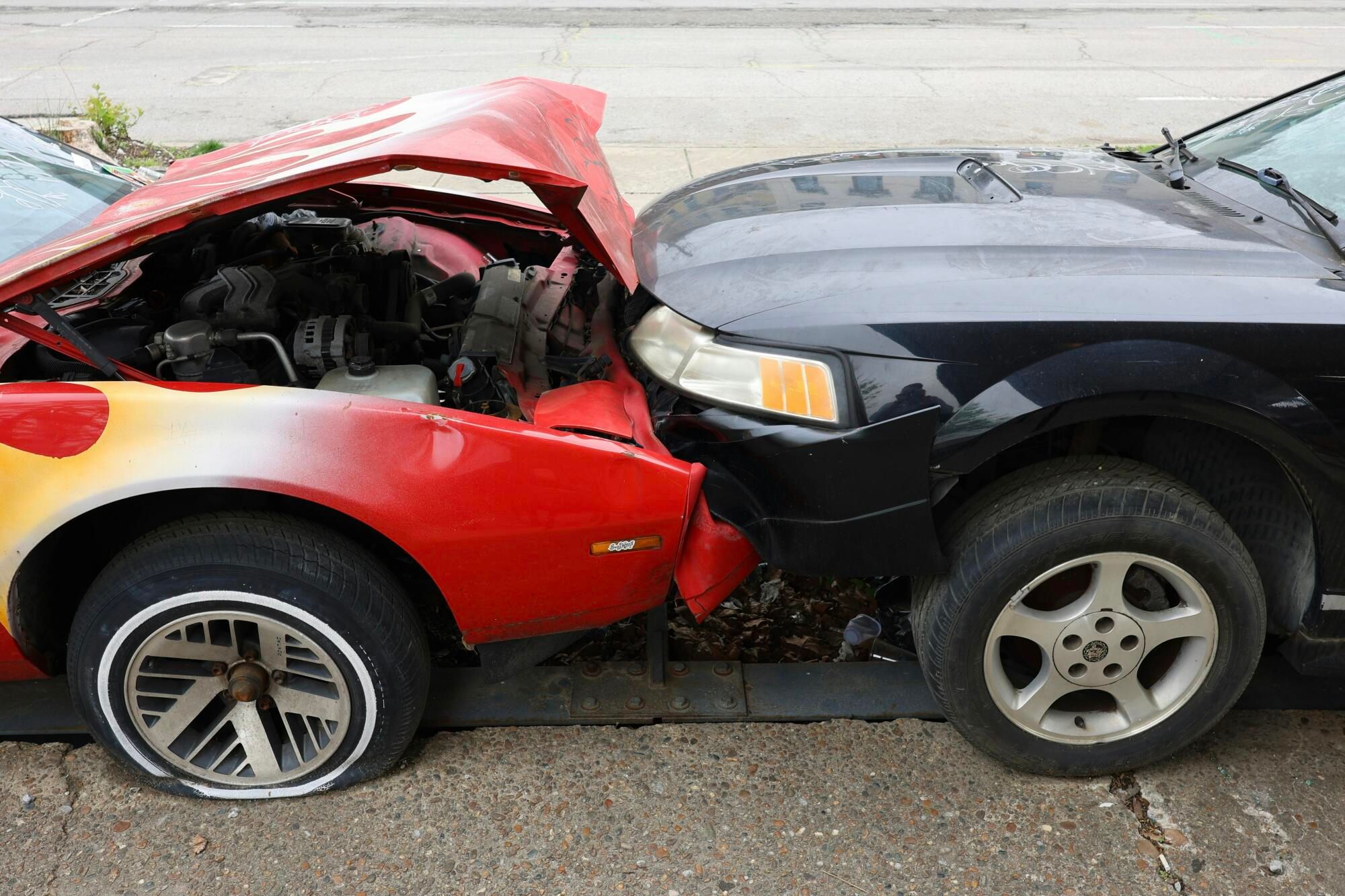
Insurance disputes about who was at fault, the cause of injuries and their severity, insufficient coverage, and low settlement offers are common after head-on collisions.
There were over 6 million car accidents in the US in 2024, according to Consumer Shield. Although only a small percentage of crashes are head-on, these types of collisions are among the most violent, causing severe injuries, even death, and extensive motor vehicle damage.
Unfortunately, many victims not only deal with the physical devastation after these accidents but also have to navigate complex insurance disputes.
Why Head-on Collision Claims Become Insurance Disputes
Insurance disputes have become common in head-on auto accident claims because they can cause devastating injuries and serious vehicle damage. The severity creates high financial stakes, with Travelers citing verdicts over $30 million for head-on collisions.
To safeguard themselves, many insurance companies scrutinize these crashes to minimize payouts, leading to various types of disputes.
Common Insurance Disputes Related to Head-on Collisions
Whether they are delay tactics or extensive investigations due to the complexities involved, head-on collisions tend to generate insurance claim disputes. Here are some of the more common ones:
Inaccurate Assessment of Damages
Disagreements over the cost of medical treatment are common, especially if the insurance company believes the patient received unnecessary medical care. Vehicle damages can also raise issues, with disputes over repair costs or total loss claims.
Exaggerated Claims: Injury Severity and Causation
Despite their severity, insurance companies may dispute whether certain injuries fall within the policy scope. They may claim symptoms are exaggerated or unrelated to the crash due to a pre-existing condition.
Fault Determination
Although you may have clear evidence that the other driver is at fault, the insurance company may take a different stance. Even when police reports or witnesses indicate which driver is responsible, the insurer may contest traffic accident liability by:
- Blaming the victim
- Citing conflicting driver statements
- Alleging policy violations
Evidence can play a crucial role in establishing fault and avoiding delays in claim processing.
Insufficient Coverage
Inadequate collision insurance coverage can complicate the claim process, especially for the injured person. If the at-fault driver’s liability limits are too low to cover damages, the victim may be forced to use their own uninsured/underinsured motorist (UM/UIM) coverage.
Low Settlement Offers
Insurance companies tend to start with low-ball settlement offers to safeguard themselves. In an effort to reduce payouts, they may even try to convince the injured party that the policy terms were misinterpreted.
How to Deal With Head-on Collision Insurance Disputes
Head-on collision disputes may be unavoidable as insurance companies protect their interests. You can protect yours as well by:
- Seeking medical attention
- Gathering evidence at the scene
- Contacting your insurer to report the incident
Proper documentation can be crucial during auto insurance negotiation. If you feel your insurance company is not respecting your rights, obtain post-accident legal advice. You can get a free consultation with Trenton vehicle accident lawyers.
Protecting Your Rights After a Head-on Collision
Head-on collisions can be devastating, and the last thing you may want to deal with is your insurance company. However, focusing on proper documentation and seeking legal advice can protect your rights and improve your chances of a favorable outcome.
You can check out some other legal articles in our News section for additional advice.


