The smartphone effect on modern accident reporting
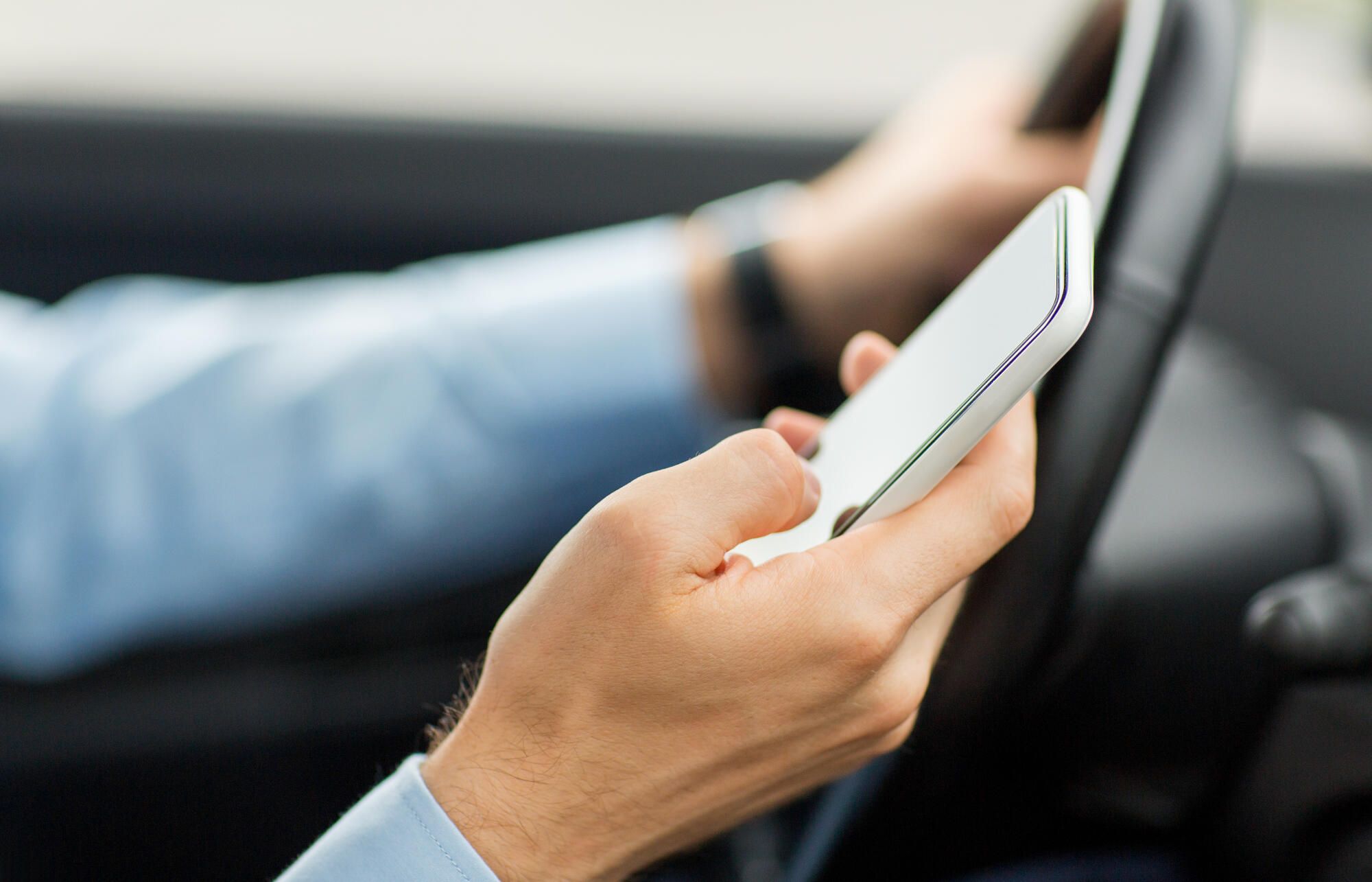
While you should avoid using cellphones while driving, having one on you can create faster accident reporting that may save a life. Built-in crash detection on devices can automatically make first-responder calls even if you’re unable to after impact, or you can use assistance apps to do so. Digital applications can guide you on precisely documenting the accident for better accuracy and insurance claims.
The World Health Organization reported that 1.9 million die annually from road crashes and related injuries, which are the leading cause of death for those aged 5 to 29 years. Whether there’s a fatality or injury, mobile data can provide forensic evidence through timestamps and objective data.
How Does Smartphone Technology Help Accident Reporting?
Mobile phone use on roads has been a double-edged sword, as they can cause accidents by providing a distraction. However, advances in its technology enable enhanced accident reporting and faster response.
Your Apple Watch or iPhone has a built-in mechanism to detect severe car crashes, like rollovers and rear-end collisions. After detection, the screen displays an alert to call emergency services, which you can either dismiss or place a call. If you can’t respond, your device will automatically call first responders after a 30-second countdown.
Android now also has SOS features in some operating systems.
Some insurers, such as Progressive, have an app that has a built-in accident response feature. You can use that same app to quickly initiate a claim after an accident.
Knowing when to call 911 in Georgia can provide evidence if there is a dispute regarding fault. It can avoid escalating a situation when another driver appears impaired or aggressive. While waiting for authorities to arrive, you can use your phone to take photos and make notes about what happened and who was there.
What Are Some Mishaps In Mobile Report Accuracy?
Modern accident reporting from smartphone automatic detection isn’t foolproof, as false alarms happen. As Frank Kuchta, a member of the Oregon Department of Emergency Management, told OPB in 2023, “Each one of these calls ties up a call taker, who must call the number back to ensure there’s no emergency.”
To avoid emergency responders wasting time trying to locate you to check on your welfare, stay on the line after a misdial to let the operator know it was an accident. However, a problem can happen if the user doesn’t know the device has already called emergency services, causing responders to be on the way without their knowledge. Be mindful that sudden drops or even intense sports or amusement park rides may cause false positives.
Your Phone May Save a Life After an Accident
Modern smartphone data collection goes beyond snapping post-accident photos.
These devices make accident reporting easier whether you’re involved in the collision or a bystander. Built-in technology can immediately detect the impact and send help. However, be aware of false alarms, which you may need to resolve in time before responders come out.
Understand how you can use mobile technology to your advantage and be careful on the road by checking out more of our useful articles on this topic.


